



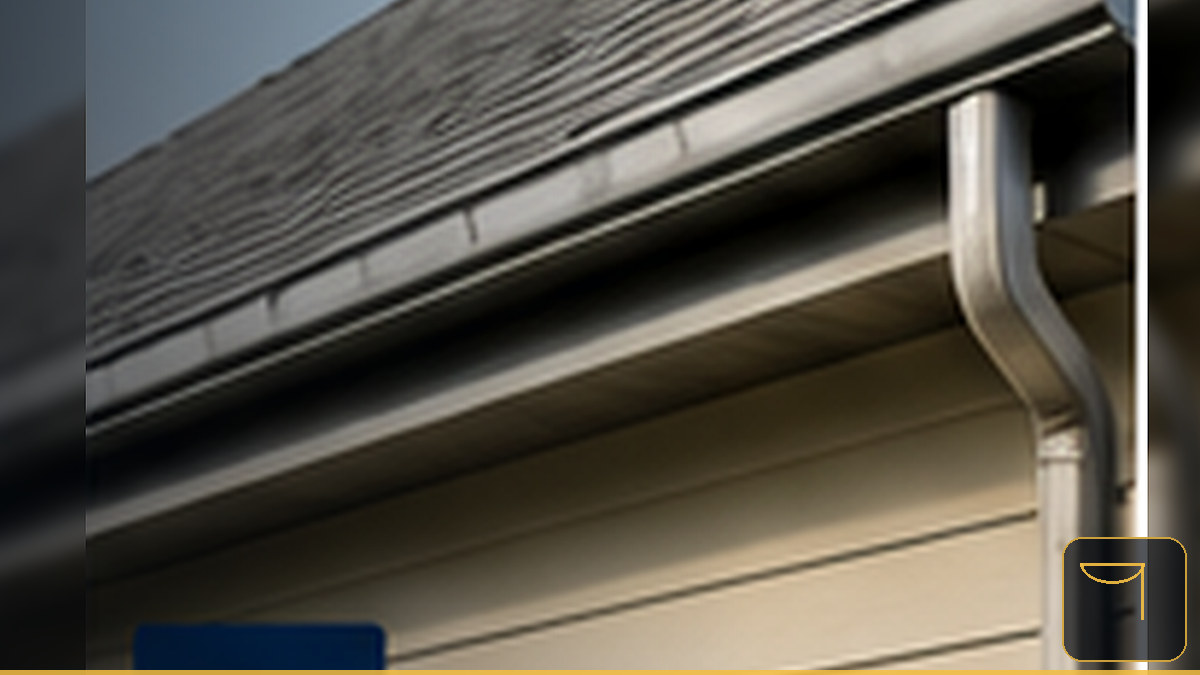
Planning fascia repair before gutter replacement should connect the homeowner's goal to the existing conditions, a clear scope, appropriate materials, installation details, documentation and a realistic closeout process. A gutter system must collect roof water, move it through correctly sized outlets and discharge it away from vulnerable areas. Capacity, fastening and drainage are connected decisions.
Why this topic matters for a Louisville home
A gutter system must collect roof water, move it through correctly sized outlets and discharge it away from vulnerable areas. Capacity, fastening and drainage are connected decisions.
The right answer is property-specific. Construction details, age, maintenance history, water paths, measurements and the quality of earlier work can change what should happen next. A homeowner guide can prepare the conversation, but it cannot replace an on-site evaluation where concealed conditions or safety are involved.
Move from the symptom to the complete system
A gutter system must collect roof water, move it through correctly sized outlets and discharge it away from vulnerable areas. Capacity, fastening and drainage are connected decisions.
A qualified evaluation should explain what is visible, what may be concealed, which connected components matter and which evidence would change the recommendation. That explanation is more useful than a product-first answer.
What should be reviewed?
- Gutter size, roof area and concentrated valley flow
- Pitch, hanger spacing and fastening to sound fascia
- Seams, corners, end caps and outlets
- Downspout quantity, placement and discharge path
- Drip edge, gutter apron and roof-edge coordination
- Cleaning access, guards and maintenance expectations
Questions to ask before approving work
Ask the contractor to identify the observed condition, likely cause, proposed correction, products or materials, preparation steps, adjacent work, exclusions, schedule assumptions, payment terms and warranty responsibility. Request clarification when a proposal uses broad phrases without quantities or installation details.
How to document the project
Create one project record containing the original concern, dated photographs, estimates, product literature, signed scope, selection approvals, change orders, progress photographs, payment records, final walkthrough notes and warranty information. Good records make future service, insurance questions, resale disclosures and maintenance easier.
Related homeowner resources
- Underground Downspout Drainage Planning
- Aluminum vs. Steel vs. Copper Gutters
- Common Gutter Leak Points: Corners, Seams, End Caps, and Outlets
- Drip Edge, Gutter Apron, and Roof-to-Gutter Water Control
Frequently asked questions
What should be evaluated before making a decision about fascia repair before gutter replacement?
Review the existing conditions, the cause of any damage, measurements, connected building components, prior work, the written scope and the homeowner's performance goals.
Should I choose a contractor based only on the lowest estimate?
No. Compare scope, products, quantities, preparation, installation details, exclusions, warranties, communication, payment terms and the process for handling hidden conditions.
What records should I keep?
Keep the signed scope, product information, selections, change orders, photographs, invoices, warranty documents, inspection records and final punch list in one project file.
How do I discuss fascia repair before gutter replacement with Faith Home Improvement?
Call (502) 377-1799 or send the estimate form with the property location, visible concerns, project goals, timing and any photographs or prior documents you have.